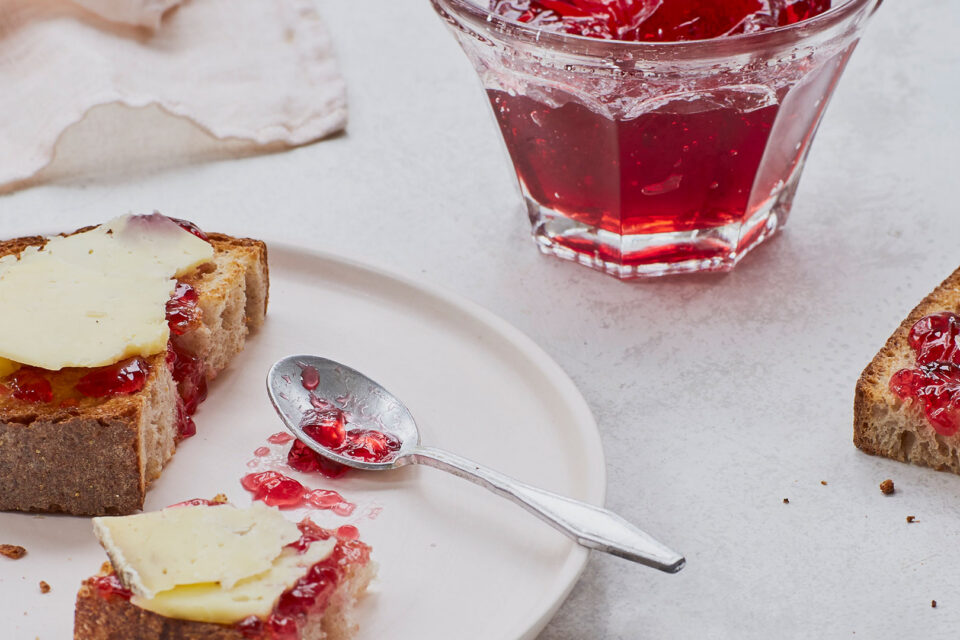
In the Cotswolds, Christmas is marked by a quiet reverence, shaped by rituals that are as timeless as they are cherished: the scent of mince pies warming in the oven, the sound of glasses being raised and the gentle squeals of excitement preparing for Santa’s arrival.
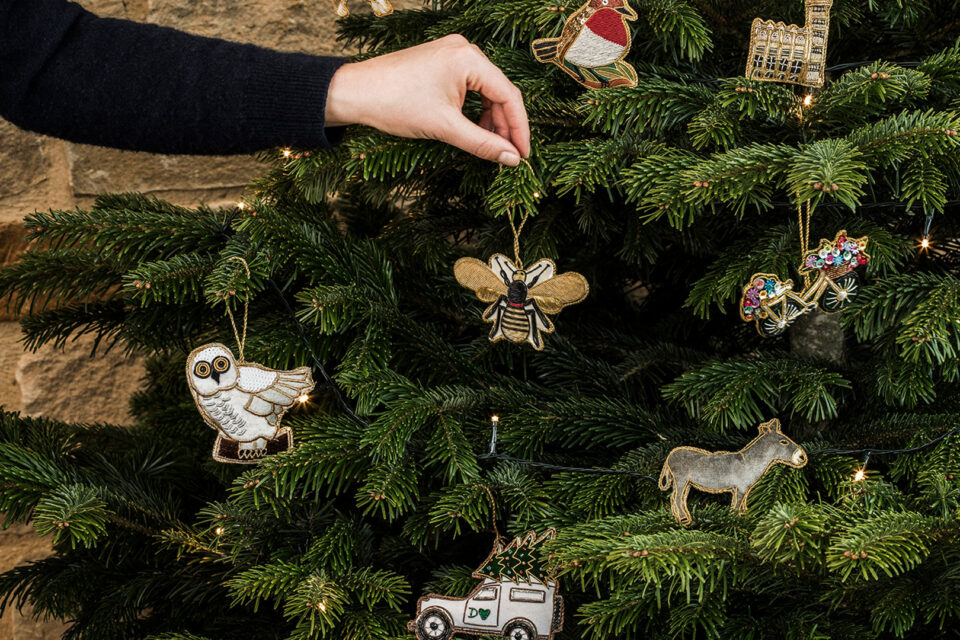
Halls are decked with trees and tinsel, tables are laid with care, candles are lit as dusk falls, and houses hum with the happy chatter of festive gatherings. While these customs feel so deeply rooted in home, the spirit of the season is echoed across the world, each culture expressing it in its own distinctive way.
In the United States, the festive period begins with Thanksgiving, celebrated on the fourth Thursday of November. Originating as a harvest celebration, Thanksgiving remains a day to gather with friends and family, to pause and give thanks. While it also centred around generous tables – often a roast turkey and all the trimmings followed by a sweet, spiced pumpkin pie – the spirit of Thanksgiving is rooted in togetherness, in gratitude, abundance and reflection.
In Spain, Christmas is not a single day but a gently unfolding season, beginning in early December and continuing through to Epiphany on 6 January. Christmas Eve, or Nochebuena, forms the heart of the celebrations, marked by late-night feasting on seafood, roast lamb and sweet turrón (a traditional Spanish nougat made with almonds and honey). Christmas Day (Navidad) is quieter, reserved for rest and time with family. The season continues with moments of light-hearted mischief on 28 December, with Día de los Santos Inocentes – a day much like April Fool’s on which families and friend play jokes and pranks on each other, before festivities culminate in Epiphany itself, Día de los Reyes Magos, when children receive gifts from the Three Kings.
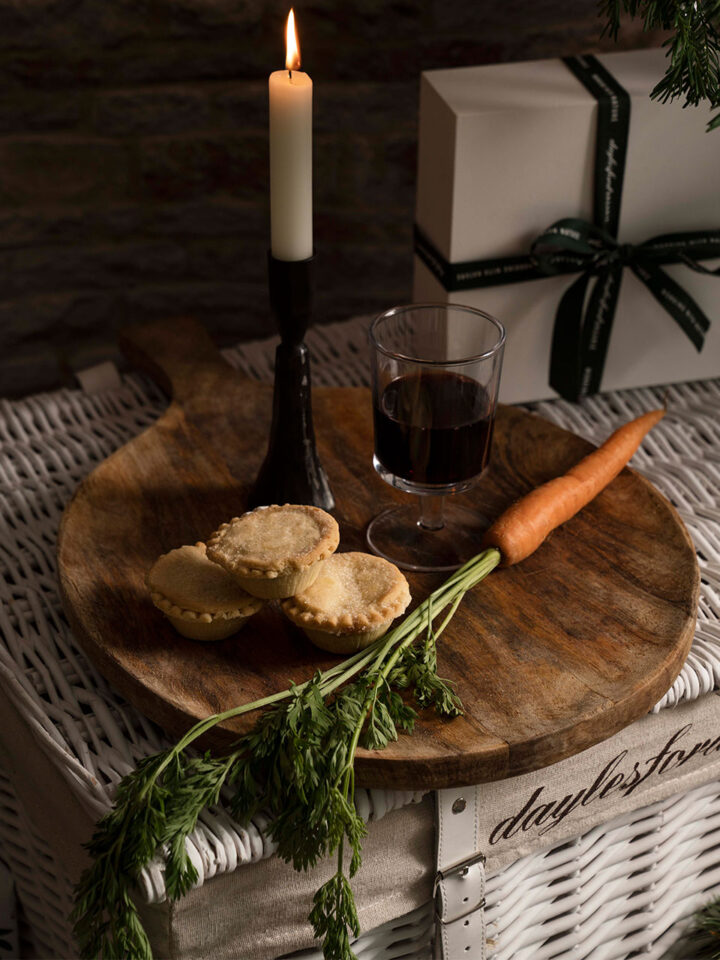

In Austria and Germany, the Advent season is steeped in atmosphere and tradition. Town squares glow with candlelight as Christmas markets fill the air with the scent of spiced wine, roasted nuts and spruce. In Austria, folklore weaves its way through the season: the roguish horned figure of Krampus is said to accompany Saint Nicholas on visits to children on 5 December (St Nicholas Day), rewarding well-behaved little ones with gifts and punishing the badly behaved with birch rods. In Germany, children leave their shoes by the door on the same night hoping to wake and find them filled with small gifts of sweets and small toys.
In Denmark, the heart of Christmas is Christmas Eve. Families gather for a traditional supper of roast pork, red cabbage and rice pudding before dancing hand in hand around the Christmas tree and singing Christmas songs by candlelight. The evening before, Little Christmas Eve, is reserved for decorating the tree and preparing together. Throughout the season, the Nisse – gnome-like, mythical household spirits – are honoured with quiet offerings, believed to bring good fortune when treated kindly.
Across South America, Las Posadas is celebrated in the nine days leading up to Christmas Eve. Traditions vary but many communities come together in nightly processions to reenact Mary and Joseph’s journey seeking shelter; these are followed by church services, shared meals, music and revelry.
Here in the UK, Christmas will traditionally unfurl with a familiar rhythm. Christmas Eve is laden with anticipation – stockings are hung, tables prepared and last-minute gifts wrapped as children’s delight builds. Christmas Day is defined by generous meals, laughter and time spent together, while Boxing Day invites long countryside walks, quiet indulgence and a slower pace. Wherever it is celebrated, the season remains a time to gather, to reflect and to find comfort in traditions shared across generations.

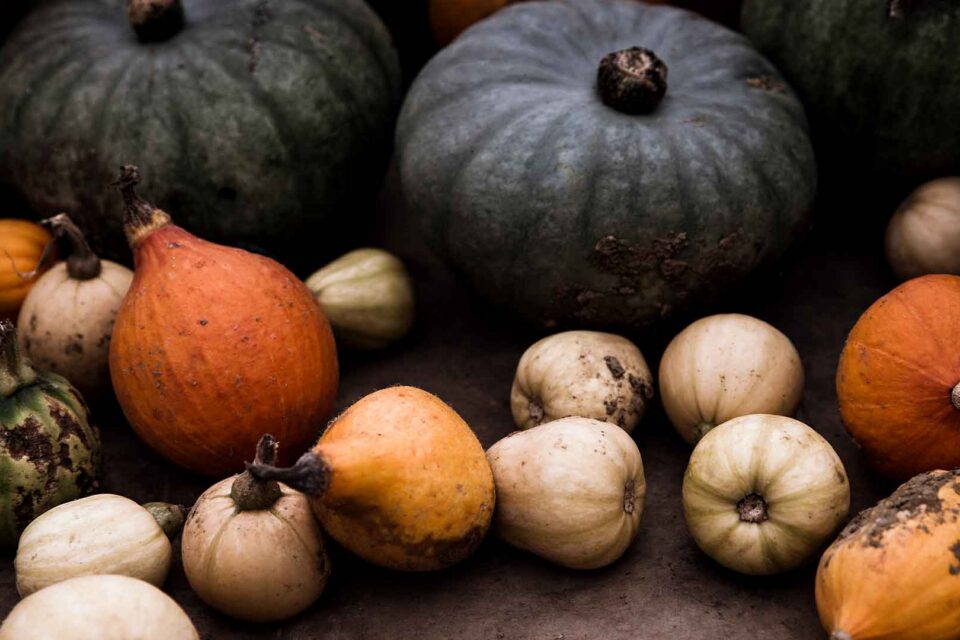
Autumn is a season of abundance. As summer crops give way to heartier harvests, the kitchen fills with ingredients that lend themselves to slower cooking and comforting meals. Among them, squash stands out as one of the season’s most versatile…...

For Alan Gleeson, autumn is one of the most rewarding times to experience the Cotswolds’ thriving food scene.