
Autumn is harvest season, and making jams and jellies is a simple way to make the most of seasonal fruit.
As autumn progresses, British hedgerows come alive with deep crimson and purple berries – a free and sustainable source of food, provided we respect them and collect responsibly. Wild food is important for the survival of the UK’s wildlife, so we need to forage with care to ensure there is enough left for birds and others.
Extracted from Seed Magazine Volume 01.
Makes 6 x 200ml jars
Wash the fruit. Remove the stalk from the apples and if using apples chop into quarters. Place the apples and berries in a preserving pan and cover with water. Cook on a gentle heat for 20-30 minutes, until the fruit has softened and become pulpy.
Place a muslin jelly bag over a clean bowl and pour in the fruit pulp. Allow the bag to hang over the bowl and leave to strain overnight. Avoid squeezing the bag as the jelly will become cloudy.
The next day, measure the extracted liquid. For every 600ml of juice add 450g of sugar.
In the preserving pan, gently heat the juice and sugar, stirring occasionally. Once the sugar has dissolved, increase the heat and bring to a rolling boil for approximately 10 minutes until the setting point has been reached. To test it, add a teaspoon of liquid to a cold plate and return the plate to the fridge for 2 minutes. The jelly has set when running your finger through the jam leaves a crinkle. If it has not set, continue to boil and test again. Skim carefully to remove any impurities.
Pour into sterilised jars, cover and store in a cool dry cupboard. Once opened, the jelly can be kept in the fridge for up to 5 days. Serve generously on crunchy sourdough with slices of cheese.

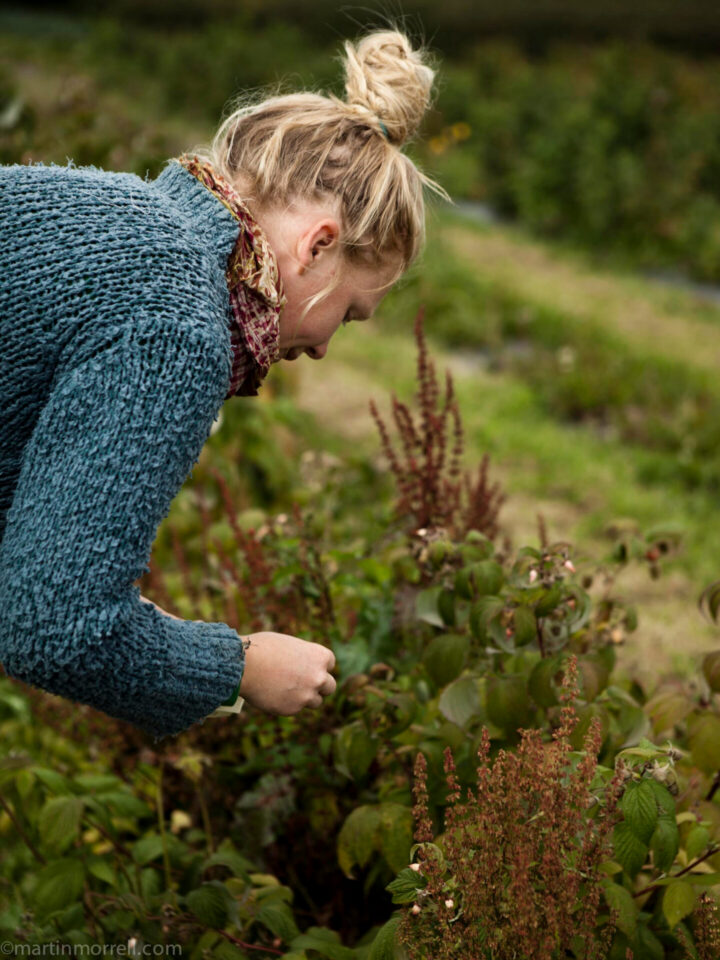
Photography for recipe by Lizzie Mayson, with food styling by Frankie Unsworth and prop styling by Linda Berlin.
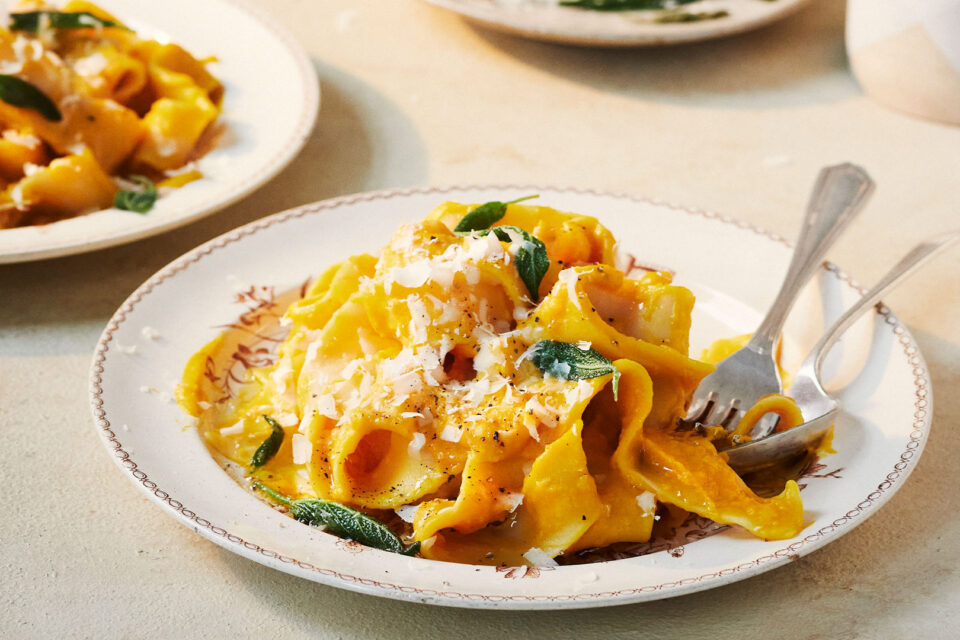
Sometimes the simplest dishes are the most rewarding. Sweet, nutty roasted squash is blended with créme fraîche, Parmesan and a touch of nutmeg to create a silky sauce, finished with crispy sage leaves that bring an earthy, buttery crunch. Extracted…...
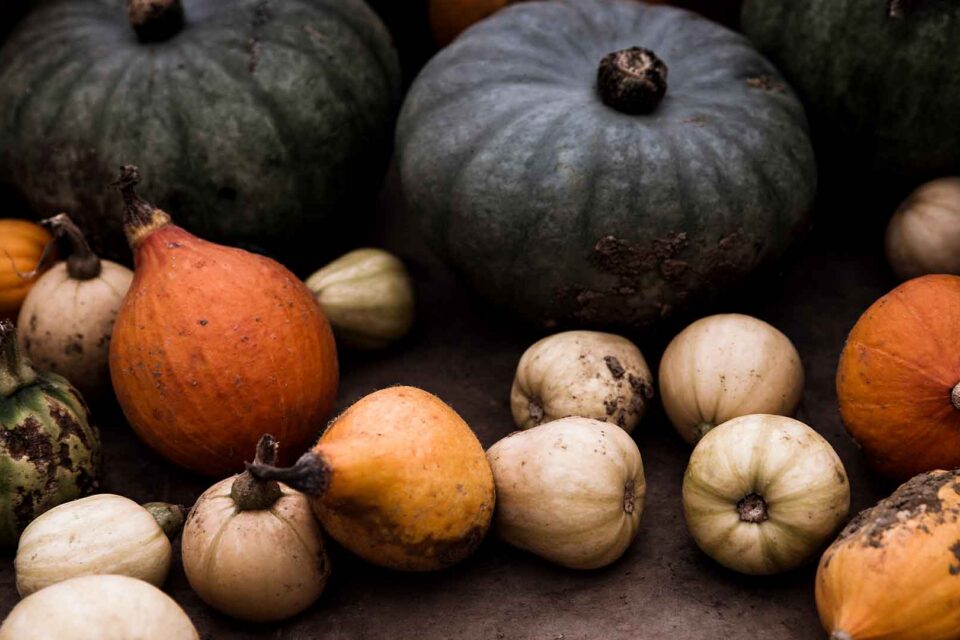
Autumn is a season of abundance. As summer crops give way to heartier harvests, the kitchen fills with ingredients that lend themselves to slower cooking and comforting meals. Among them, squash stands out as one of the season’s most versatile…...

